
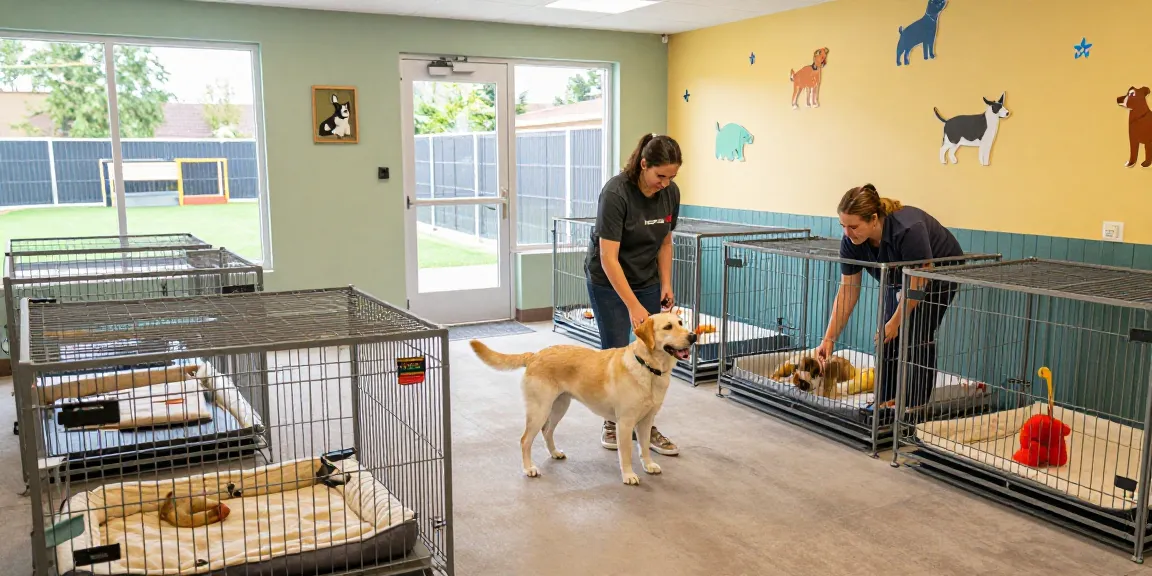
Understanding Pet Boarding Cages
Pet boarding facilities play a crucial role in caring for pets when their owners are away. A significant component of these facilities is the type of housing they provide, particularly Pet Boarding Cages. Understanding the various aspects of pet boarding cages is vital for ensuring the comfort and safety of the animals entrusted to their care.
What Are Pet Boarding Cages?
Pet boarding cages, often found in veterinary clinics, grooming salons, and boarding facilities, are specialized enclosures designed to house pets temporarily. These cages vary in size, design, and materials, catering to different animal species and their unique needs. For example, a boarding facility for dogs may require larger, more robust cages, while a facility caring for cats might prioritize more vertical space and hiding spots in their cages.
Importance of Quality in Pet Boarding Cages
Quality in manufacturing pet boarding cages cannot be overstated. High-quality cages not only ensure the safety of the animals but also promote good health practices through proper hygiene. Durable materials can withstand wear and tear, while thoughtful design prevents injury to pets. Investing in quality cages is essential for any boarding facility aiming to provide a safe and comfortable environment for their furry clients.
Key Features of Effective Pet Boarding Cages
- Durability: Cages should be built to last, using materials resistant to rust and corrosion.
- Ventilation: Proper airflow is critical to keeping pets comfortable and healthy.
- Size Options: Having various sizes available ensures that different breeds and species can be accommodated.
- Hygienic Design: Cages should be easy to clean and maintain, with smooth surfaces that don’t trap dirt or bacteria.
- Safety Features: Cages must include secure locks and dividers to prevent escape and ensure the safety of all pets.
Choosing the Right Pet Boarding Cages for Your Facility
Selecting the appropriate cages for a pet boarding facility involves careful consideration of several factors. The right choices can make a significant difference in both operational efficiency and animal welfare.
Factors to Consider When Selecting Cages
When deciding on which pet boarding cages to incorporate, it is essential to evaluate the specific needs of the facility. Consider the size of the animals typically boarded, the layout of the facility, and the daily operations involved in caring for the pets. Additionally, think about the ability to expand or reconfigure cage setups as your business grows.
Comparing Different Types of Pet Boarding Cages
The market offers a variety of cage types, including:
- Wire Cages: These provide excellent ventilation but may not be suitable for every dog or cat.
- Plastic Cages: Durable and easy to clean, but can be less ventilated.
- Modular Cages: Flexible designs that allow for customized configurations.
- Stackable Cages: Ideal for maximizing space in smaller facilities.
Advantages of Modular Cage Systems
Modular cage systems offer remarkable adaptability for growing businesses. They allow for reconfiguration based on current demands and can be expanded or reduced as necessary. This flexibility means that boarding facilities can optimize their space, accommodating seasonal fluctuations without compromising the comfort or safety of the animals.
Safety and Comfort in Pet Boarding Cages
Creating a safe and comfortable environment is a top priority for any pet boarding facility. Implementing best practices and incorporating thoughtful design elements can significantly enhance the boarding experience for pets.
Best Practices for Cage Maintenance
Regular maintenance and cleanliness are crucial in preventing disease transmission and ensuring a comfortable space for pets. This includes:
- Daily cleaning and disinfecting of all cages.
- Regularly checking for any signs of wear and repairing damages promptly.
- Ensuring bedding and water supplies are fresh and clean.
Design Features That Enhance Pet Comfort
To promote a feeling of safety, cages should include design features such as:
- Hiding spaces for pets who feel anxious.
- Soft surfaces or bedding to enhance comfort.
- Natural materials that mimic an outdoor environment.
Hygiene and Sanitation Practices in Boarding Facilities
Effective hygiene practices are vital to maintaining a healthy environment. Facilities should implement strict protocols for cleaning, including:
- Using pet-safe cleaning agents.
- Training staff on proper sanitation techniques.
- Maintaining proper waste disposal methods.
The Future of Pet Boarding Cages
The future of pet boarding cages is evolving rapidly, with technological advancements and changing consumer expectations driving innovation in the industry.
Emerging Trends in Cage Design and Technology
New designs prioritize pet experience and operator efficiency. Features like built-in climate control, noise reduction materials, and smart technology that tracks animal health and behavior are becoming more prevalent.
Predictions for the Pet Boarding Industry in 2026
By 2026, the pet boarding industry is expected to see increased demand for eco-friendly products. Facilities that invest in sustainable practices and materials will appeal more to environmentally conscious consumers. The integration of technology in pet boarding operations, including remote monitoring systems, will likely become standard.
How Innovations Are Changing Animal Care Standards
Innovations in cage design and functionality lead to improved welfare standards. Enhanced ventilation systems, ergonomic designs, and integration of natural elements help create environments that promote better animal health and happiness.
FAQs About Pet Boarding Cages
What are the most common sizes for pet boarding cages?
The most common sizes for pet boarding cages vary significantly, with small cages accommodating pets under 25 pounds and large cages designed for breeds over 75 pounds. Facilities often offer a mix to cater to the diverse needs of their clientele.
How can I ensure the safety of animals in boarding cages?
To ensure safety, regularly inspect cages for any damages, have secure locking mechanisms, and implement clear protocols for cleaning and maintenance to prevent accidents.
What materials are best for constructing pet boarding cages?
High-quality stainless steel and heavy-duty plastic are preferred for their durability and ease of cleaning. These materials also help mitigate risks associated with rust and corrosion.
Are there eco-friendly options for pet boarding cages?
Yes, many manufacturers are now producing cages with eco-friendly materials that are recyclable and free from harmful chemicals. Investing in these options can enhance your facility’s appeal to environmentally conscious clients.
What regulations should I be aware of in pet boarding?
Regulations can vary by location, but all facilities should comply with local health and safety codes, including those related to animal welfare, sanitation, and emergency evacuation procedures. Staying informed about state and local laws is crucial for operating a compliant and ethical boarding facility.