
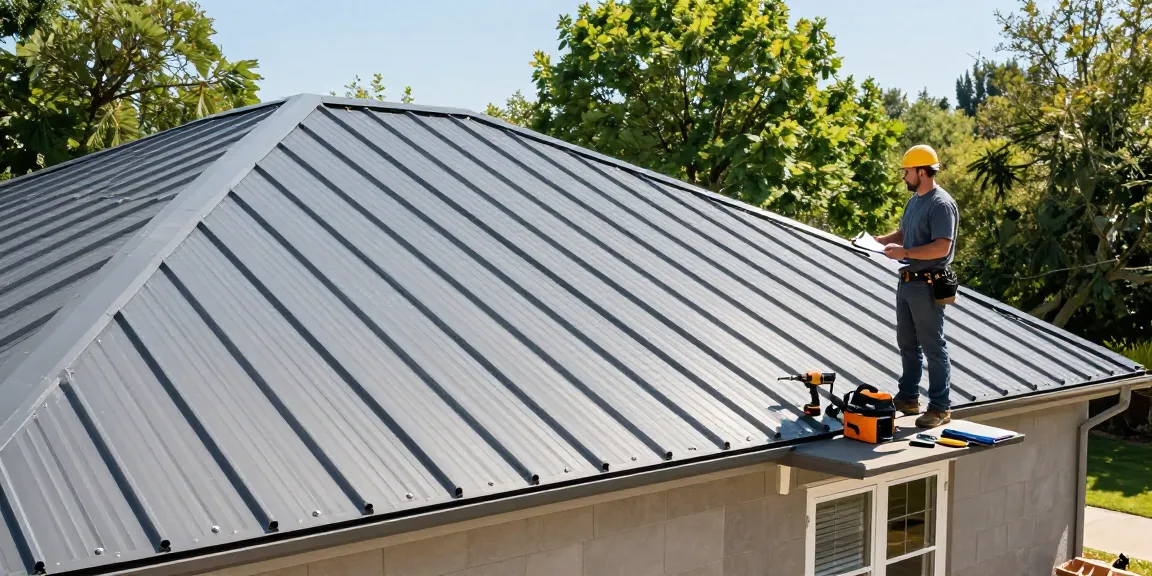
Understanding Standing Seam Metal Roofing
Standing seam metal roofing has emerged as a leading choice for modern architectural designs, particularly for structures that demand both aesthetics and functionality. Known for its distinct vertical panels and hidden fasteners, this roofing style is celebrated for its ability to handle various weather conditions while providing superior water drainage and snow-shedding capabilities. With an increasing number of homeowners embracing energy-efficient building practices, it’s essential to dive deep into the unique benefits and considerations associated with standing seam metal roofing. When exploring options, a standing seam metal roof contractor can offer comprehensive insights into the best solutions for your project.
What is Standing Seam Metal Roofing?
Standing seam metal roofing consists of interlocking vertical panels typically made from galvanized steel, aluminum, or copper. The design features seams that rise above the plane of the roof, creating a distinct profile that contributes to its aesthetic appeal. This roofing style is particularly well-suited for both residential and commercial applications, allowing for a modern look with significant practicality. The concealed fasteners used in installation not only enhance the roof’s visual appeal but also provide robust protection against harsh weather, minimizing leak risks and prolonging the lifespan of the roof.
Key Features and Benefits
One of the primary reasons homeowners opt for standing seam metal roofing includes its commendable durability and long lifespan, often exceeding 50 years with proper maintenance. Additionally, the energy efficiency of these roofs cannot be overlooked; they reflect solar heat, which aids in reducing cooling costs during summer months while retaining warmth in winter. Other notable features include:
- Advanced Design: The vertical panels create a sleek, contemporary appearance while also enhancing water runoff.
- Versatility: Available in a variety of colors and finishes, these roofs can be customized to match any architectural style.
- Low Maintenance: Standing seam roofs require minimal upkeep, making them a cost-effective choice in the long run.
Common Misconceptions You Should Know
Despite their growing popularity, several misconceptions still surround standing seam metal roofing. Common myths include the belief that metal roofs are excessively noisy during rain or hail, which is not accurate—proper insulation significantly dampens sound. Additionally, some assume that metal roofing attracts lightning; however, metal does not inherently increase the risk of lightning strikes. Understanding these misconceptions is crucial for homeowners considering this roofing option.
Choosing the Right Standing Seam Metal Roof Contractor
Selecting the right contractor for your standing seam metal roofing project is essential to ensure a successful installation and long-term satisfaction. A quality contractor will not only have experience and expertise but also carry the right certifications and warranties to protect your investment.
Essential Qualities to Look For in a Contractor
When evaluating potential contractors, consider the following qualities:
- Experience: Look for contractors with a strong track record in installing standing seam metal roofs, as experience directly correlates to quality workmanship.
- Reputation: Read reviews and testimonials from previous clients to gauge reliability and customer satisfaction.
- Insurance and Licensing: Ensure the contractor is properly licensed and insured, safeguarding you against liabilities during the project.
How to Verify Credentials and Experience
Before hiring a contractor, it’s advisable to verify their credentials. Request references from past clients and don’t hesitate to contact them for feedback. Additionally, check for any certifications from roofing associations, which can be indicative of a contractor’s commitment to quality and ongoing education in the field.
Cost Considerations and Estimates
Cost is a significant factor in any roofing project. The price of installing a standing seam metal roof can vary based on factors such as materials, roof size, and geographic location. It’s wise to obtain estimates from multiple contractors to understand market rates and ensure competitive pricing. Keep in mind that while the upfront cost may be higher than traditional roofing, the long-term benefits and savings on maintenance can justify the investment.
Installation Process of Standing Seam Metal Roofs
The installation of a standing seam metal roof requires meticulous planning and execution. Understanding the process not only prepares you for what to expect but also helps ensure the installation is carried out correctly.
Step-by-Step Installation Guide
- Preparation: Before installation, assess the existing roof structure. If the condition is satisfactory, standing seam panels can often be installed directly over the current roof.
- Measuring and Cutting: Accurately measure the roof dimensions to cut the metal panels appropriately. This step is critical to ensure a proper fit and to minimize waste.
- Installing Underlayment: Lay down a moisture barrier or underlayment to protect against water infiltration.
- Panel Installation: Begin installing the panels from the eave up to the peak, ensuring the seams lock together effectively. Use clips that allow for thermal expansion and contraction, which is crucial for metal roofs.
- Finishing Touches: Install trim and flashing around edges and penetrations, ensuring a watertight seal.
Understanding the Hidden Fastening System
The hidden fastening system is a hallmark of standing seam metal roofs. Unlike traditional roofing systems that may use exposed screws, this method conceals fasteners beneath the metal seams, enhancing the roof’s appearance and minimizing the risk of leaks. This technology not only improves aesthetics but also allows for natural expansion and contraction of the metal panels without compromising structural integrity.
Tips for a Flawless Installation
To ensure the best results, consider the following tips during the installation process:
- Always work with high-quality materials to enhance durability and aesthetics.
- Plan for weather conditions; avoid installation during extreme temperatures which can affect the metal’s performance.
- Utilize proper safety gear and follow local building codes to ensure a safe working environment.
Maintenance and Longevity of Standing Seam Metal Roofs
One of the most appealing aspects of standing seam metal roofs is their longevity and ease of maintenance. However, regular attention is still necessary to ensure they remain in optimal condition for decades.
Routine Maintenance Best Practices
To extend the life of your standing seam metal roof, adhere to the following maintenance practices:
- Regular Inspections: Conduct inspections at least twice a year, especially after severe weather events. Look for signs of rust, loose panels, or debris accumulation.
- Cleaning: Keep the roof surface clean to avoid the buildup of mold or mildew, which can affect aesthetics and performance.
- Gutter Maintenance: Ensure gutters and downspouts are clear of debris to facilitate proper drainage.
Signs of Wear and When to Call a Contractor
Be vigilant for any signs of wear, such as rust spots, water stains indoors, or missing panels. If you encounter any of these issues, it’s crucial to consult a qualified roofing contractor promptly. Early detection can prevent more significant problems and costly repairs in the future.
Expected Lifespan and Warranty Information
Standing seam metal roofs typically come with a lifespan of 40-70 years, depending on the material used and the quality of installation. Most reputable manufacturers offer warranties ranging from 25 to 50 years, providing homeowners with peace of mind regarding their investment. Always review warranty details and understand what is covered and the proper maintenance required to avoid voiding it.
Future Trends in Metal Roofing
As the roofing industry evolves, new trends in metal roofing continue to emerge, driven by advancements in technology and growing environmental consciousness.
Innovations in Metal Roofing Technology for 2026
Looking ahead to 2026, expect to see innovations such as enhanced coatings that improve energy efficiency and durability. New technologies are being developed to produce lighter, more resilient materials, and improved manufacturing processes will likely reduce waste during production.
Energy Efficiency and Sustainable Materials
With an increasing focus on sustainability, the demand for energy-efficient roofing materials will continue to rise. Metal roofs can contribute significantly to energy savings by reflecting sunlight and reducing air conditioning costs. Expect to see more environmentally friendly options entering the market, such as recycled metal products.
Increasing Popularity and Market Insights
The popularity of standing seam metal roofing is projected to increase as more homeowners recognize the benefits associated with modern metal roofs. Industry analysts predict a robust market growth driven by heightened awareness of energy efficiency and durability, alongside a trend toward minimalistic and contemporary architecture.
What are the benefits of a standing seam metal roof?
Benefits include exceptional durability, energy efficiency, minimal maintenance requirements, and a sleek aesthetic appeal. With a lifespan that can exceed 50 years, many homeowners find the initial investment pays off significantly over time.
How do I find a reliable standing seam metal roof contractor?
To find a reliable contractor, it’s vital to conduct thorough research. Look for credentials, reviews, and ask for references. It can also be beneficial to get estimates from several contractors to ensure you’re receiving competitive pricing and quality service.
What is the average cost of installing a standing seam metal roof?
The cost of installation can range widely depending on the size of the roof, materials used, and location, which can typically fall between $9 to $12 per square foot. It’s important to get detailed estimates to understand all associated costs.
How long does installation take for a standing seam metal roof?
Installation time can vary based on the size and complexity of the roof, but a typical project may take anywhere from a few days to a week, provided there are no complications.
What maintenance does a standing seam metal roof require?
Maintenance involves routine inspections, cleaning debris, and clearing gutters. Regular checks for rust or loose panels can help maintain the integrity and longevity of the roof.