Understanding the Creality 3D Printer Series
The world of 3D printing has undergone a transformation driven by advancements in technology, and at the forefront of this evolution is Creality. The Creality 3D printer series has become synonymous with accessibility, affordability, and innovation, making it a popular choice among hobbyists and professionals alike. Among its offerings, the K2 Combo 3D Printer stands out for its exceptional capabilities in multicolor and multi-material printing, setting a new standard for creativity in 3D modeling. When exploring options, creality 3d printer provides comprehensive insights into this remarkable series.
What is the Creality 3D Printer?
Creality is a leading manufacturer in the 3D printing landscape, renowned for developing a diverse range of printers that cater to various needs and skill levels. Ranging from entry-level models to professional-grade machines, the Creality 3D printer lineup is designed to empower users to turn their digital designs into physical realities. The K2 series, especially the K2 Combo, is tailored for those seeking high-quality output with the ability to print in multiple colors and materials, thus enhancing the creative possibilities for users.
Key Features of Creality 3D Printers
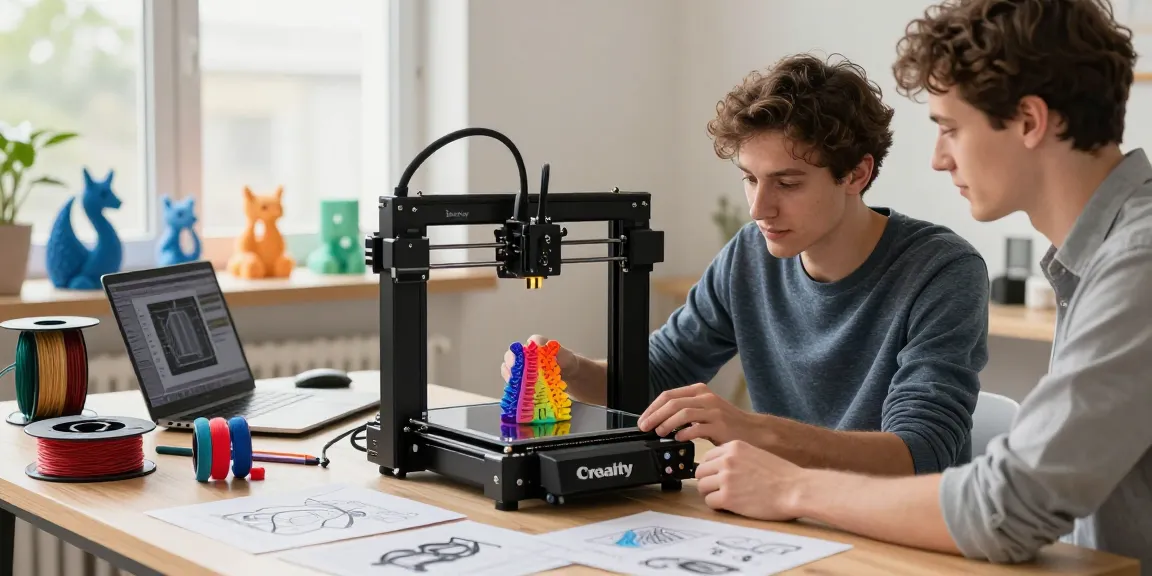
- Multicolor Printing: The K2 Combo supports up to 16 distinct colors through the use of four CFS (Color Flow System) units, allowing for intricate designs without the need for manual color changes.
- Ample Build Volume: With a print size of 260 x 260 x 260 mm, users can create larger models without the limitation of resizing or splitting designs.
- Robust Construction: The super rigid exoskeleton of the K2 ensures stability during printing, which is crucial for achieving high-quality results.
- User-Friendly Interface: The intuitive controls and automatic bed leveling feature make the K2 Combo accessible even for beginners.
- Advanced Filament Compatibility: This printer can accommodate a wide range of materials, making it versatile for different applications, including carbon fiber and specialty filaments.
Comparing the K2 Combo to Other Models
When situating the K2 Combo within the Creality lineup, it's essential to consider how it stacks against other models, such as the Ender series and the K1. The Ender series is known for its affordability and great performance but lacks the advanced multicolor capabilities of the K2 Combo. Conversely, the K1 series emphasizes high precision and is better suited for technical applications.
Throughout the comparison, the K2 Combo emerges as a versatile choice, balancing price and performance while excelling in color printing, which is not a feature of many competing models. This makes it an attractive option for both artists and engineers who seek to realize their vision in vibrant detail.
Benefits of Using Creality 3D Printers
Exceptional Multicolor Printing Capabilities
The ability to print in multiple colors significantly enhances the creative process by allowing users to incorporate complex designs and vibrant aesthetics into their projects. By offering up to 16 colors through the K2 Combo’s advanced CFS technology, users can achieve a level of detail and richness that is often unattainable with single-color printers. This feature is perfect for creating intricate prototypes, product designs, and artistic pieces that demand a high degree of visual appeal.
Larger Print Volume for Diverse Applications
The generous build volume of 260 x 260 x 260 mm means that users are not restricted to smaller models. This characteristic is particularly beneficial for professionals who work on larger-scale projects since it allows for the production of items like architectural models, functional parts, or artistic sculptures without the need for time-consuming scaling or assembly of smaller pieces.
User-Friendly Features for Beginners
Creality stands out for its focus on user experience, especially in models like the K2 Combo. With features such as auto bed leveling and an easy-to-navigate interface, new users can quickly get accustomed to the 3D printing process. Moreover, the availability of comprehensive support resources and community forums provides an additional layer of assistance for anyone starting in this innovative field.
Common Challenges with Creality 3D Printers
Print Quality and Calibration Issues
While Creality printers are celebrated for their capabilities, they are not without potential challenges. Print quality can vary based on calibration settings and filament used. Users may experience issues such as stringing, layer adhesion failures, or under-extrusion if the settings are not optimized for specific materials. Therefore, understanding the printer’s settings and investing time in calibration is essential for achieving the desired quality.
Maintenance and Support Concerns
Regular maintenance is crucial for the longevity of any 3D printer, including those from Creality. Users must routinely check components such as the nozzle, bed, and belts to ensure optimal performance. Although Creality offers a good support system, some users may find themselves needing to troubleshoot issues independently, particularly when it comes to more complex repairs.
Material Compatibility Limitations
Although Creality printers, especially the K2 Combo, support a wide range of materials, not all filaments are created equal. Some users report difficulties with certain brands or types of specialty filaments, indicating that testing for compatibility is necessary to avoid printing mishaps. Thus, while the versatility of the printer is a strong selling point, users should be prepared to experiment to find the best materials for their specific projects.
Best Practices for Maximizing Your Creality 3D Experience
Optimizing Settings for Different Filaments
To achieve optimal prints with a Creality 3D printer, it's vital to adjust settings based on the type of filament. Each filament has unique properties, and settings such as temperature, speed, and layer height should be fine-tuned accordingly. For example, PLA may print well at lower temperatures, while ABS requires higher heat settings to prevent warping.
Effective Maintenance Tips for Longevity
Proper maintenance can extend the life of your 3D printer significantly. Regularly clean the nozzle to prevent clogs, inspect the bed for wear, and keep the machine free of dust. Additionally, lubricating the moving parts can help keep the printer functioning smoothly. Developing a routine maintenance schedule will help you avoid many common issues that can arise from neglect.
Creative Design Ideas to Enhance Output
To truly leverage the potential of the K2 Combo, consider experimenting with complex designs that utilize its multicolor printing capabilities. Creating textured surfaces, integrating functional elements, or designing models that require varying color schemes can take your output from mundane to extraordinary. Moreover, utilizing design software to create custom designs tailored for multicolor printing opens the door to endless possibilities.
Future Trends in 3D Printing Technology (2026 and Beyond)
Emerging Materials and Techniques
As the 3D printing industry continues to evolve, we can expect the emergence of new materials that enhance the capabilities of existing printers. Innovations in biocompatible materials, recycling filament options, and even materials that can change properties after printing are on the horizon. Such advancements will expand the range of applications for 3D printing in various fields, including medicine, construction, and consumer goods.
Integration of AI in 3D Printing
Another trend to watch is the integration of artificial intelligence in 3D printing technology. AI-driven software can help optimize printing parameters, predict maintenance needs, and even aid in the design process. This level of automation and intelligence can significantly improve production efficiency and quality, making advanced 3D printers more accessible and user-friendly for all skill levels.
Predictions for Market Growth and Consumer Preferences
The 3D printing market is projected to continue its growth trajectory, fueled by increasing adoption in various sectors. As technology becomes more affordable and user-friendly, consumer preferences will shift towards printers that offer advanced features, robust support, and versatile applications. The ongoing evolution of Creality’s offerings, like the K2 Combo, reflects this market demand, ensuring that they remain a key player in the industry.
What makes Creality 3D printers stand out?
Creality 3D printers are distinguished by their impressive blend of performance and price. With models like the K2 Combo leading the charge in multicolor printing, users can unlock their creative potential without breaking the bank. The company’s commitment to innovation, combined with a strong community and support network, sets it apart from competitors.
How to choose the right model for your needs?
Choosing the right Creality model involves assessing your specific requirements. Beginners may prefer entry-level models, while those focused on high-quality output and advanced features should consider the K2 Combo or similar offerings. Understanding your intended applications and desired print quality will guide your decision-making process.
Are Creality 3D printers suitable for commercial use?
Yes, many Creality models, particularly the K2 series, are equipped to handle commercial applications. Their robust construction, large build volume, and excellent output quality make them a viable option for businesses in need of prototyping, product development, and small-scale production.
What are the latest updates for Creality printers in 2026?
As of 2026, Creality continues to innovate with updates focusing on printing speed, precision, and user interface enhancements. New models are expected to feature improved connectivity options, allowing for easier integration with design software and cloud services. These advancements will help Creality maintain its status as a leader in the 3D printing space.
How to troubleshoot common issues with Creality 3D printers?
Troubleshooting common issues often begins with understanding the symptoms. Users experiencing poor adhesion should check the bed leveling, while those with stringing might need to adjust retraction settings. Consult the user manual and online forums for specific advice and solutions from the community, as many users share their experiences and resolutions to common problems.