Understanding the Essence of Street Culture
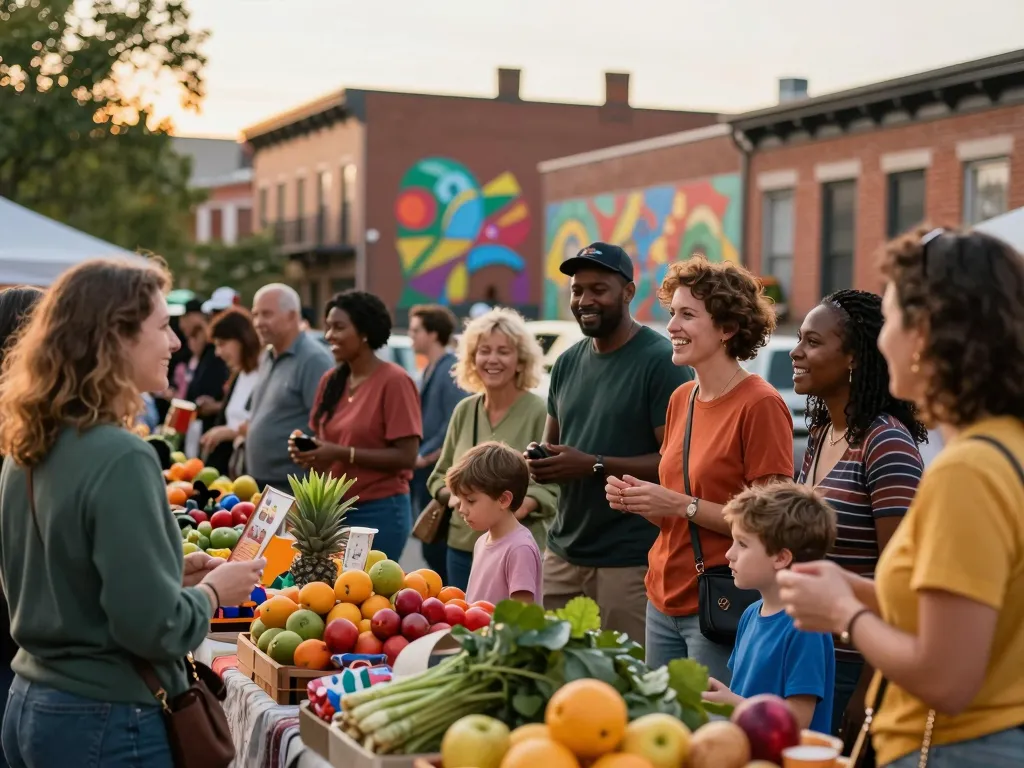
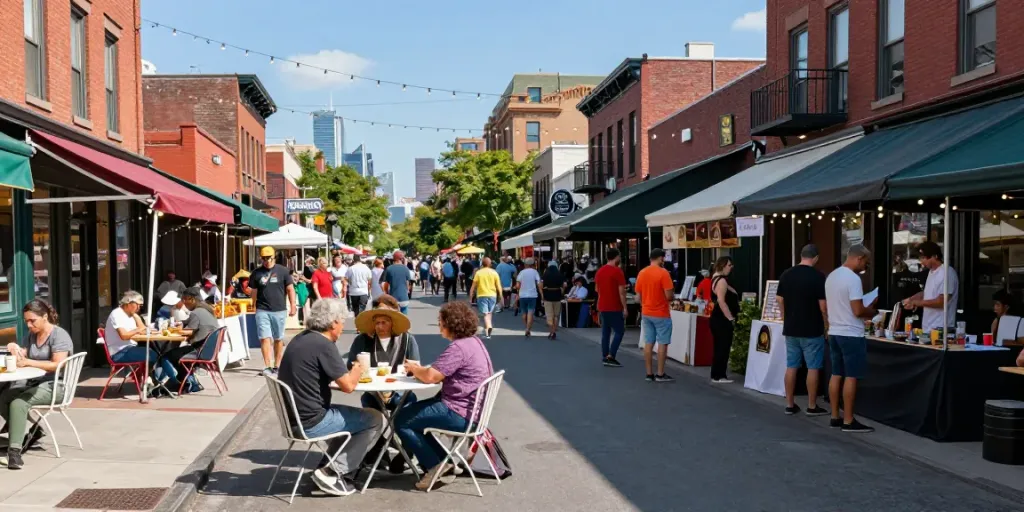
Street culture encompasses a vibrant tapestry of urban living, reflecting the diverse identities and shared experiences of those who inhabit the city. It is a dynamic blend of art, music, food, and communal activities that not only shapes the identity of urban spaces but also fosters a sense of belonging among residents. As we delve deeper into the significance of street culture today, it's crucial to recognize how it influences our communities and connects people from all walks of life. For those seeking to understand and engage with this culture, streek.ca provides comprehensive insights into the evolving trends that define contemporary urban experiences.
What Defines Street Culture Today?
At its core, street culture is an organic expression of life in urban areas. It embodies the values, struggles, and creativity of the people who navigate these spaces daily. The defining traits of street culture include:
- Inclusivity: Street culture invites participation from everyone, regardless of background, fostering a sense of community.
- Artistic Expression: Murals, graffiti, and street performances are prominent features that showcase local talent and creativity.
- Food Diversity: Street vendors and food trucks offer a variety of culinary experiences that reflect the multicultural nature of urban areas.
- Music and Dance: Live performances, busking, and dance gatherings provide avenues for cultural expression and connection.
The Role of Community in Urban Living
Community plays a pivotal role in shaping street culture. Neighborhoods that encourage collaboration and interaction foster a strong sense of identity and belonging. Local initiatives, such as community gardens and public festivals, serve as catalysts for engagement, bringing residents together to celebrate their uniqueness. Moreover, the impact of social media has amplified community voices, allowing individuals to share their stories and experiences, thereby enriching the fabric of street culture.
Key Elements of Street Life: Food, Art, and Music
The intersection of food, art, and music defines the street life experience. Street food vendors not only satisfy culinary cravings but also act as cultural ambassadors, introducing the community to diverse flavors and dishes. Artistic expressions, whether through graffiti on urban walls or installations in public spaces, transform the mundane into the extraordinary, while music events bring vibrancy and rhythm to the streets.
Exploring Trends Impacting Street Culture in 2026
The landscape of street culture is continuously evolving, influenced by various trends that reflect societal changes. As we look to 2026, several key trends are anticipated to shape the future of urban living:
Emerging Culinary Trends on the Streets
Food trends are not static; they evolve with consumer preferences and societal shifts. In 2026, we expect to see an increase in the use of sustainable and locally sourced ingredients among street vendors. Popular concepts may include:
- Plant-based options: The growth of veganism and vegetarianism is likely to give rise to more plant-based food trucks offering healthy and innovative dishes.
- Global fusion cuisine: Street food will continue to embrace multicultural influences, creating unique dishes that reflect the diversity of urban communities.
- Health-conscious offerings: As more people become aware of health and wellness, street vendors may pivot towards nutritious and organic options.
Urban Art Movements and Their Influence
Art continues to breathe life into urban environments, with street art movements gaining recognition. In upcoming years, local artists will likely collaborate with communities on public art projects, reinforcing neighborhood pride and identity. Emerging trends may include:
- Augmented Reality (AR) Art: Innovative artists may integrate technology, allowing viewers to experience art interactively.
- Collaborative Murals: Community-driven projects will encourage collective participation, turning walls into canvases that tell local stories.
Community Events and Festivals Shaping Identity
As cities grow, so too do the events that celebrate local culture. Festivals that highlight street culture—such as food fairs, music festivals, and art walks—provide platforms for local talent and foster community spirit. In 2026, we might anticipate:
- More inclusive events: Festival organizers will focus on accessibility, ensuring that all community members can participate and share in the celebration.
- Hybrid events: Combining in-person and virtual experiences will expand reach, allowing populations beyond the local area to engage.
Challenges Facing Urban Street Culture
While street culture flourishes, it is not without its challenges. Understanding these hurdles is essential for ensuring the longevity and health of urban communities:
Gentrification and Its Effects on Local Economies
Gentrification poses a significant threat to authentic street culture by displacing long-standing residents and local businesses. As real estate development accelerates, rising rents can drive out the very elements that make neighborhoods vibrant. This shift often leads to the homogenization of urban spaces, erasing unique cultural identities.
Preserving Authenticity in a Changing Landscape
As urban areas undergo transformation, maintaining the authenticity of street culture becomes crucial. Local artists and vendors face pressure to adapt to new trends, which may dilute their original practices. Communities must strive to create spaces that honor and celebrate their unique identities, ensuring that new developments honor the voices of those who have historically inhabited these spaces.
Accessibility Issues for Local Businesses
Many local street vendors encounter challenges related to permits, funding, and location accessibility. These barriers can hinder their ability to thrive and directly impact the diversity of offerings within the street culture ecosystem. Advocacy for supportive policies and resources is essential for the sustainability of local businesses.
Best Practices for Engaging with Street Culture
Engaging with street culture requires a thoughtful approach that respects and uplifts community values. Here are some best practices to consider:
Supporting Local Vendors and Artisans
One of the most impactful ways to engage with street culture is by supporting local street vendors and artisans. This can be achieved through:
- Purchasing from local vendors: Choosing to buy from street vendors sustains local economies and ensures the diversity of food and art remains intact.
- Attending community events: Participating in local festivals and events strengthens community bonds and showcases the culture of the area.
Promoting Inclusivity in Urban Spaces
Creating inclusive urban spaces that welcome diverse voices is essential for fostering a rich street culture. This can include:
- Encouraging participation: Providing opportunities for underrepresented groups to showcase their talents and share their stories can enrich the urban narrative.
- Designing accessible spaces: Ensuring public areas are accessible to all individuals, regardless of ability, is critical for fostering engagement.
Creating Memorable Experiences for Visitors
Urban environments thrive on the experiences they offer to visitors. By curating memorable and authentic interactions, cities can attract tourism while nurturing their local culture:
- Guided tours that celebrate street culture: Offering tours that highlight local art, food, and history can enhance visitors' understanding and appreciation of the culture.
- Pop-up events: Hosting temporary events that showcase local talent can create excitement and community buzz.
Future Predictions for Street Life Beyond 2026
As street culture continues to evolve, several predictions can be made about its trajectory beyond 2026:
Innovations in Food Experiences and Technology
Future street food vendors will likely embrace technology to enhance customer experiences. Innovations may include:
- Mobile ordering apps: Streamlining the ordering process while allowing vendors to adapt to consumer preferences quickly.
- Food delivery partnerships: Collaborating with delivery services to increase sales and expand customer reach.
How Sustainability Will Shape Urban Development
Sustainability is expected to play a significant role in shaping the future of urban development. Street culture may benefit from:
- Eco-friendly practices: Vendors will increasingly adopt sustainable sourcing and waste reduction techniques, appealing to environmentally conscious consumers.
- Community-driven initiatives: Local groups may spearhead projects focused on urban greening and sustainability, strengthening community ties and enhancing street culture.
The Evolving Nature of Community Identity in Cities
As cities adapt to changing demographics and cultural dynamics, community identities will likewise evolve. The street culture landscape will likely reflect these shifts through:
- Emerging cultural narratives: New stories and experiences will come to the forefront, fostering inclusivity and representation.
- A focus on intergenerational connections: Street culture will strive to bridge gaps between older and younger generations, preserving traditions while embracing innovation.
What is the significance of street culture today?
Street culture holds immense significance today as it fosters community, represents diversity, and serves as a medium for artistic expression. It encourages social interaction and cultural exchange, making urban environments more vibrant and engaging.
How can communities support local street vendors?
Communities can support local street vendors by patronizing their businesses, advocating for fair policies, and participating in local events that promote their offerings. Creating a supportive environment ensures that these vendors can thrive and contribute to the richness of street culture.
What trends should we expect to see in urban street culture?
Expect to see trends focused on sustainability, technological integration, and inclusivity. These trends will significantly enhance the experience of street culture and ensure its resilience in the face of challenges.
How does street culture contribute to community identity?
Street culture contributes to community identity by showcasing the unique flavors, arts, and narratives of a neighborhood. It becomes a tangible representation of collective experiences and shared values, enriching the urban landscape.
What challenges does street culture face in modern cities?
Street culture faces challenges such as gentrification, lack of accessibility, and the pressure to conform to mainstream trends. Addressing these issues is vital for preserving authentic cultural experiences.